Nombre del autor:cenamad

Characteristic Compartment Fire Behaviour – A theoretical study encompassing a broader range of regimes

Revista: Fire Safety JournalAutores: Majdalani, A.; Calderón, I.; Jahn, W.; Torero, J.Fecha: 2026 Abstract Scaling analysis is used to characterise a series of ten different possible compartment fire scenarios as a function of compartment geometry and ventilation. In addition to the classic scenarios corresponding to Regime I and Regime II fires, eight additional cases were

Characteristic Compartment Fire Behaviour – A theoretical study encompassing a broader range of regimes Leer más »

A holistic approach to understanding how openings shape the fire performance and structural response of CLT walls in compartment fires

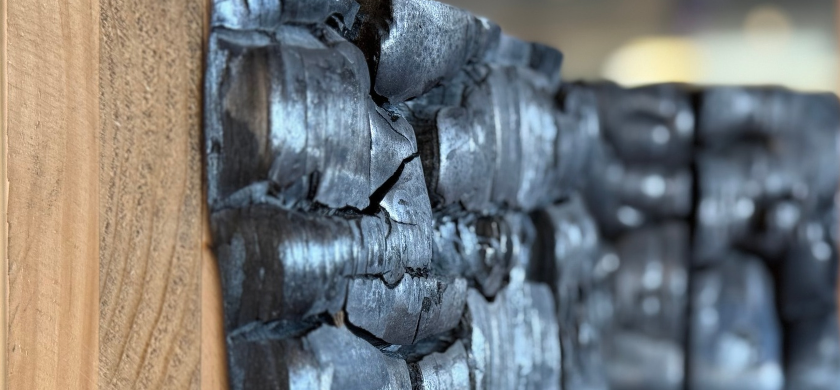
Revista: Fire Safety JournalAutores: Alvarez, L.; Yanez, J.; Majdalani, A.; Jahn, W.; Pina, J.C.Fecha: 2026 Abstract The use of mass timber in mid- to high-rise buildings has increased steadily over the past decade. However, due to its combustible nature, fire remains a critical risk. Architectural openings can significantly influence compartment fire behaviour, affecting char formation

A holistic approach to understanding how openings shape the fire performance and structural response of CLT walls in compartment fires Leer más »

Estimating material intensity of mass timber products in contemporary tall timber buildings

Revista: Journal of Building EngineeringAutores: Victorero, F.; Bustamante, W.Fecha: 2026 Abstract Tall timber buildings are increasingly promoted as a low-carbon alternative to conventional construction systems; however, consistent quantitative data on the material intensity (MI) of mass timber products across new building typologies remain limited. Estimating MI is essential to improve understanding of material use in

Estimating material intensity of mass timber products in contemporary tall timber buildings Leer más »

Assessing the effects of sea level rise on coastal wetlands and urban infrastructure using the SLAMM model: A case study in the Valdivia River, Chile

Revista: Journal of Urban ManagementAutores: García, A.; Leal, G.; Bermúdez, M.; Carpio, M.; Verichev, K.Fecha: 2026 Abstract Climate change poses a critical threat to coastal wetlands and urban infrastructure, especially in the Valdivia River basin in Chile. This study uses the Sea Level Affecting Marshes Model (SLAMM) to project changes in land use and areas

Assessing the effects of sea level rise on coastal wetlands and urban infrastructure using the SLAMM model: A case study in the Valdivia River, Chile Leer más »

The New“Iron Triangle” of Project Management: Schedule, Cost and Value

Revista: BuildingsAutores: Herrera, R.; Giménez, Z.; Salazar, L.; Mesa, H.; Alarcón, L.F.Fecha: 2026 Abstract Since the late 1960s, project management researchers have studied the factors contributing to project success, with Dr. Barnes introducing the “Iron Triangle” concept in 1969. Initially composed of scope, time, and cost, subsequent interpretations have varied, with quality, stakeholder satisfaction, risk

The New“Iron Triangle” of Project Management: Schedule, Cost and Value Leer más »

The Resilient and the Vulnerable: Root-Associated Fungal Communities in the Regeneration of Nothofagus pumilio Forest Eight Years After Fire

Revista: ForestsAutores: Fernández, C.; Almonacid, L.; Díaz, B.; Herrera, H.; Silva, P.; Fuentes, A.; Sagredo, C.; Vargas, R.; Larama, G.; Fuentes, A.Fecha: 2026 Abstract Wildfires are increasing in frequency and severity worldwide, with long-lasting effects on forest vegetation and fungal communities essential for seedling establishment and forest resilience. Nothofagus pumilio, the dominant tree of South

The Resilient and the Vulnerable: Root-Associated Fungal Communities in the Regeneration of Nothofagus pumilio Forest Eight Years After Fire Leer más »

Concluye exitoso ciclo de webinars sobre normativas para construir en madera: revive cada sesión

Desde el 14 de agosto hasta el 04 de septiembre, especialistas abordaron los principales cambios y desarrollos normativos en materias como diseño sísmico, durabilidad, eficiencia térmica, CLT y seguridad frente al fuego El ciclo “Normativas para construir en madera” convocó, a lo largo de sus cinco sesiones, a más de mil personas interesadas. La primera

Concluye exitoso ciclo de webinars sobre normativas para construir en madera: revive cada sesión Leer más »

Seguridad frente al fuego en construcciones de madera: avances y desafíos del marco normativo en Chile 

El quinto y último webinar del ciclo Normativas para construir en madera abordó uno de los temas que más dudas genera en el sector: el comportamiento de la madera frente al fuego y el marco normativo que regula su seguridad en Chile. La sesión estuvo a cargo de Diego Maige, jefe del Área de Tecnologías

Seguridad frente al fuego en construcciones de madera: avances y desafíos del marco normativo en Chile  Leer más »

¿Puede la madera ser parte de la solución al déficit habitacional y la descarbonización?

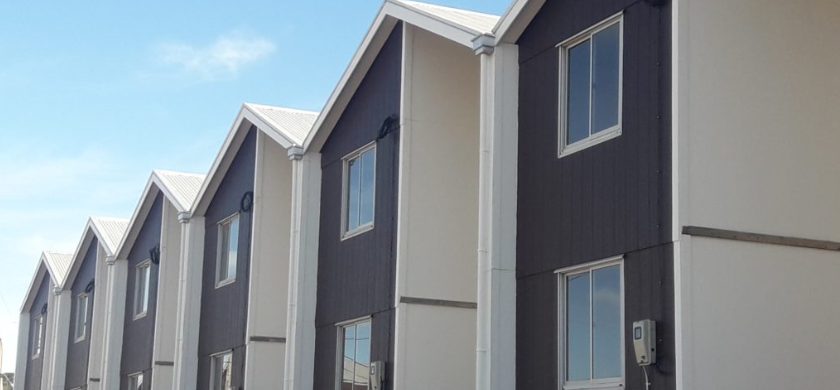
De la captura de carbono al desempeño sísmico, la madera suma atributos que abren oportunidades para transformar la forma en que construimos en Chile. Chile enfrenta dos desafíos importantes: avanzar en la reducción de emisiones y responder a un déficit habitacional que bordea las 700 mil viviendas. En este escenario, la construcción en madera aparece

¿Puede la madera ser parte de la solución al déficit habitacional y la descarbonización? Leer más »

CODELPA visita la red CENAMAD en Biobío para conocer capacidades en bioproductos

Representantes de CODELPA visitaron el martes 8 de septiembre tres instituciones asociadas del Centro Nacional de Excelencia para la Industria de la Madera (CENAMAD) en la Región del Biobío, con el propósito de conocer sus capacidades de investigación, desarrollo e infraestructura y explorar oportunidades de colaboración en áreas vinculadas a los bioproductos, la valorización de

CODELPA visita la red CENAMAD en Biobío para conocer capacidades en bioproductos Leer más »